Sagging
Usually happens when hangers loosen, fail, or are spaced too far apart to support the weight of the gutter, especially when it fills with water or debris.

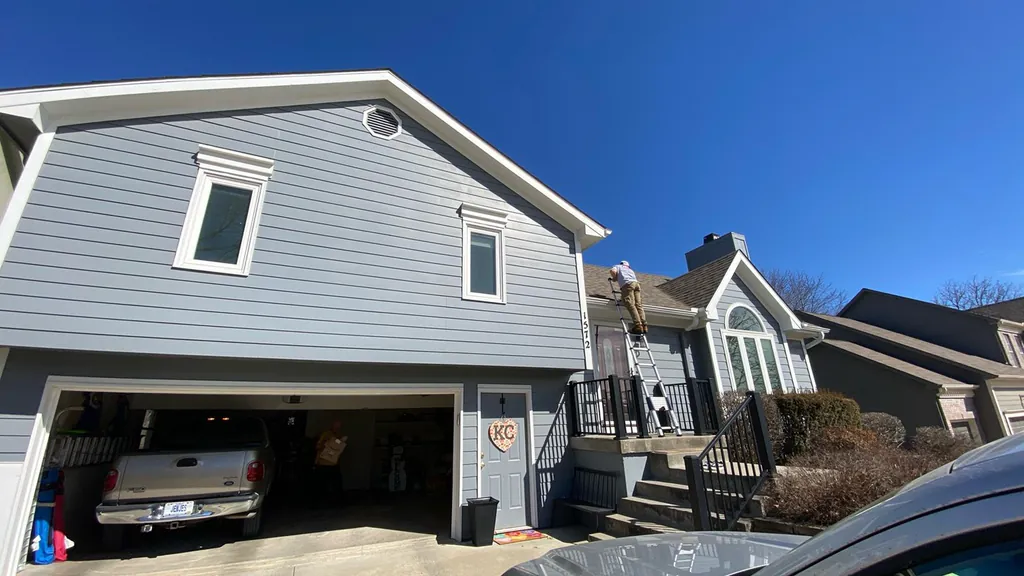
A gutter problem can arise in myriad ways — from a loose hanger, failed seam, or poor slope to a system that is too small for the roof. SRA finds the cause before recommending a repair or replacement.
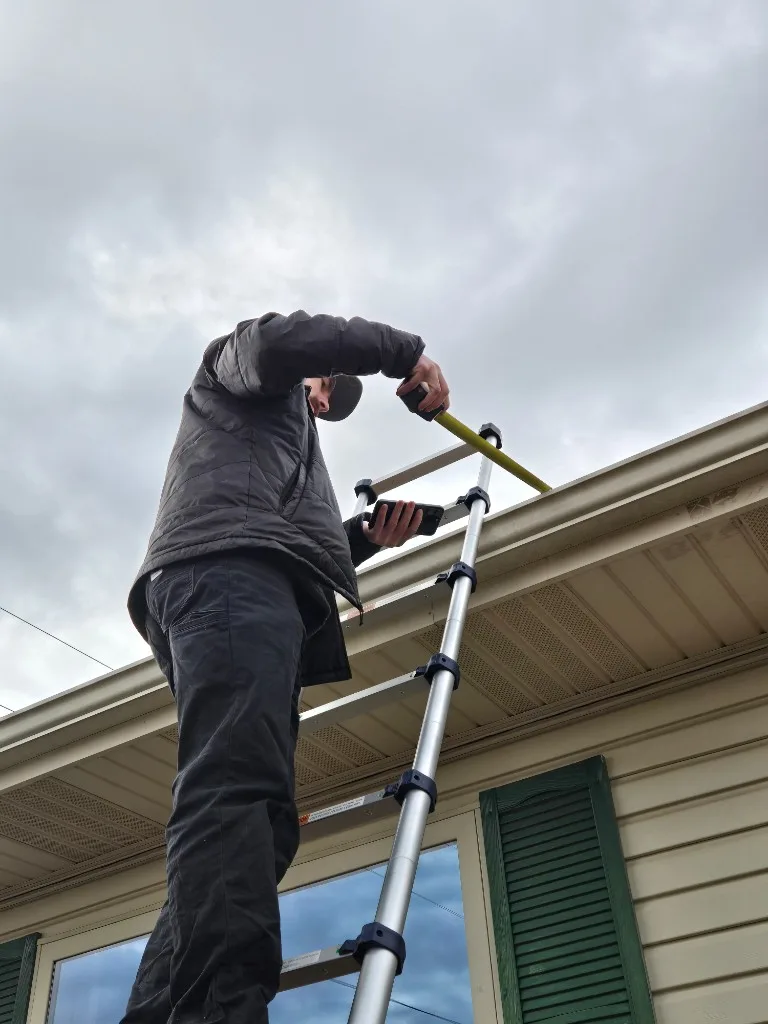
Repairing gutters in Springfield often goes the same way, no matter the residential neighborhood or district. Address leaks, sagging sections, or poor drainage and you have a fully functioning gutter system again. But the visible problem isn’t always the whole problem. SRA knows Springfield homes, and we always check the full system before recommending a fix. An isolated repair will not hide a larger slope, attachment, or material problem, and neither will we.
If a small repair will do the trick, that’s how we move. But when damage is extensive enough to warrant a full replacement, SRA stays local — a neighborhood team who remains available if a completed repair ever needs a second look.
“We had a gutter that was clogging, and they replaced the gutter guard with a mesh. Keegan knew just what we needed.”
The type of gutter problem usually tells us a lot about what the repair will involve. If the damage is limited to one or two areas and the rest of the system is still in good shape, a targeted repair may be all you need.
Usually happens when hangers loosen, fail, or are spaced too far apart to support the weight of the gutter, especially when it fills with water or debris.
On sectional gutters, the joints between pieces can begin to pull apart over time from age, movement, or the weight of standing water and debris.
Sometimes the gutter is not the only thing moving. The fascia board behind it can begin pulling away from the house, especially when water damage or an overloaded gutter has weakened the attachment.
Gutters need a slight slope toward the downspouts. If a run was installed too level or has shifted over time, water can sit in the gutter instead of draining.
Older steel gutters can eventually rust through, while other materials may be punctured or damaged by branches, ladders, or other impacts.
Sometimes what looks like a gutter repair starts with the board behind it.
Water that repeatedly spills over or leaks behind the gutter can soften and damage the fascia. Once that wood is compromised, new hangers and hardware may not have anything solid to hold onto.
SRA checks the fascia before making the repair. If damaged wood changes the scope of the work, we’ll show you what we found and explain what needs to happen before moving forward.
The first question is whether the problem is isolated or showing up throughout the system.
The problem is limited to one section or downspout
The gutter material is still sound, but something has shifted, loosened, or been damaged
The system is relatively young and otherwise draining properly
Sagging, separation, or leaks are showing up in multiple areas
The gutter material itself is beginning to fail from rust, brittleness, or repeated leaks
Problems keep returning in different parts of the system
The overall drainage layout is no longer working well for the roof and property
We check the whole system before recommending either path, not just the section you called about.
Gutter repair pricing depends on how much of the system is damaged, how easy it is to access, the condition of the material, and whether the fascia or drainage layout also needs attention.
SRA confirms what needs to be repaired and what it will cost after seeing the system in person.
“The team did an outstanding job repairing my roof and replacing the gutters. They were professional, timely, and kept me informed every step of the way.”
A sagging section, leak, or overflowing gutter does not always mean the whole system needs to be replaced. SRA checks the gutters, downspouts, drainage, and fascia to find where the problem actually starts.
If a repair will solve it, we’ll tell you. If the system needs more work, we’ll explain why before anything begins.
The price depends on access, material condition, the damaged length, and whether the fascia or drainage layout also needs work. SRA confirms the scope and price after seeing the system.
Find out whether an isolated repair will restore proper drainage or the system needs a broader fix.